
Walk down any body care aisle and you will see lotions, creams, butters and oils lined up as if they were interchangeable. They are not. A lotion and an oil work in different ways, and picking the wrong one for your skin is the reason some people say moisturizer “never works” for them.
What lotion does
Most lotions are an emulsion, which means water and oil blended together. The water gives lotion its light, spreadable feel and the oils and butters in the mix slow down moisture loss from the surface of your skin. Because there is water in the formula, lotion usually absorbs fast and rarely leaves a film. That makes it a good everyday choice for the warmer months, for oilier skin, or for anyone who needs to get dressed ten minutes after applying it.
What body oil does
A body oil has no water in it. It is made of plant oils, often with a little essential oil for scent. Oil does not add water to your skin. What it does is sit on top and hold in the water that is already there, which is why oils work best on skin that is slightly damp. If you have ever noticed that oil seems to soak in better right after a shower, that is the reason.
Oils also tend to feel richer and last longer between applications, so they suit dry patches like shins, elbows, knees and heels, and cold months when indoor heating pulls moisture out of the air.
How to decide
- Choose lotion if your skin is normal to oily, you need something light under clothes, or you apply moisturizer more than once a day.
- Choose oil if your skin feels tight within an hour of showering, if you get flaking or visible ashiness, or if you want a single product to cover dry spots all winter.
- Use both if your skin changes with the seasons. Many people keep a lotion by the sink for daytime and an oil on the nightstand.
The layering method that works
If you want the benefits of both, apply them in this order. Pat yourself half dry after the shower so skin is still damp. Smooth on a few drops of oil to trap that moisture, then follow with a thin layer of lotion on the areas that need extra cushioning. Oil first and lotion second keeps the lotion from being blocked by the oil layer, and it lets you use far less of each.
How much oil is enough
This is where most people go wrong. A dime-sized amount, about four to six drops, covers an arm. Warm it between your palms before you press it in. If skin still feels slick after ten minutes, you used too much, so cut back next time. A good body oil should leave a soft sheen, not a puddle.
Ingredients to look at on the label
Read the first five ingredients, since those make up most of the bottle. In an oil, you want to see recognizable plant oils such as jojoba, sweet almond, coconut or sunflower. In a lotion, check whether the base is a real butter or oil, or mostly water and thickeners. Our guide to reading a body care ingredient list walks through this step by step, and carrier oils explained covers what each oil feels like on skin.
Common questions
Can body oil replace lotion completely? For many people, yes, especially in winter. If you live somewhere humid or have oily skin, you may find oil alone feels heavy.
Will oil stain my clothes? A small amount that has had a few minutes to absorb will not. Give it five minutes before getting dressed and use lighter amounts on warm days.
Can I use oil on my face? Body oils are made for the body. Face skin is more sensitive and more prone to breakouts, so use a product made for the face.
Where to start
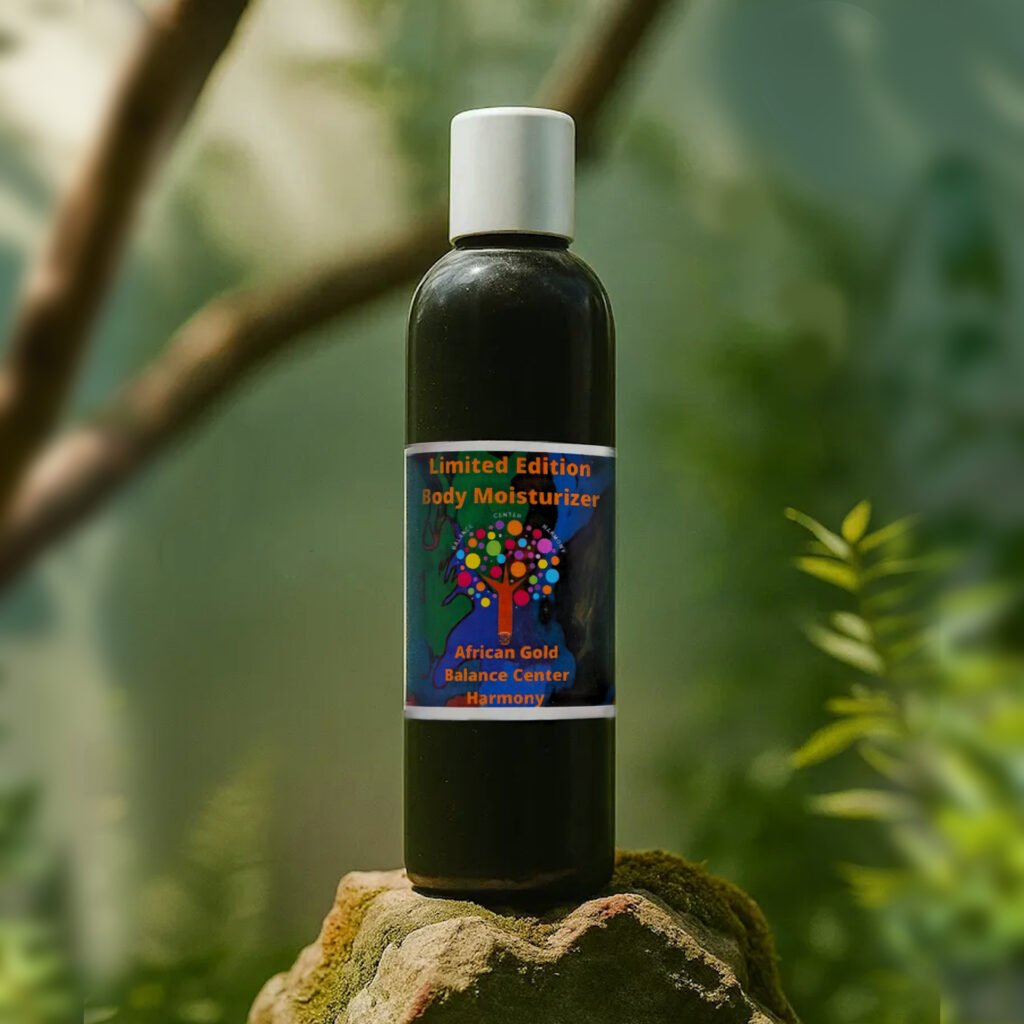
If you want a lotion-style option, browse our body moisturizers, such as the African Gold Body Moisturizer. For something richer, look at our oils in the full shop. Not sure which scent to pick? Start with our scent guide. When you are ready to moisturize at the best moment, read about the best time to moisturize after a shower.
Made in small batches in Brooklyn
Handmade soap, scrubs, oils and moisturizers from Balance Center Harmony.
Shop the collectionMore guides